
Shockwave Therapy vs Traditional Pain Treatments
Living with chronic pain can mean giving up the activities you once loved. Many people with painful conditions resign themselves to it, but with modern treatments, many can find the relief they deserve. Things like medication, injections, and physical therapy can all make a massive difference. However, newer approaches like shockwave therapy are also gaining popularity. Let’s take a closer look at how shockwave therapy works for chronic pain and how it compares to more typical treatments.
What Is Shockwave Therapy?
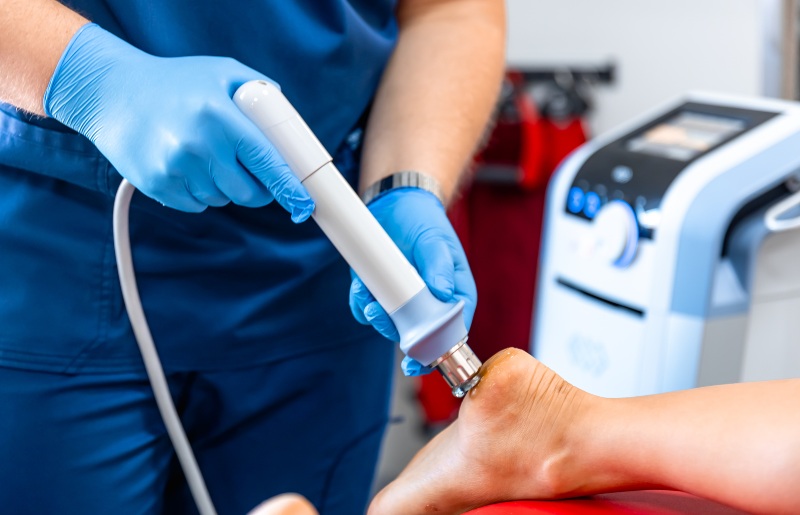
Extracorporeal shockwave therapy is a non-invasive medical treatment that uses high-energy sound waves to target painful areas of the body. Originally developed to break up kidney stones, the technology was later adapted to treat chronic pain and promote tissue healing. During your shockwave therapy session, your provider will use a wand to deliver rapid acoustic pulses deep into the muscle, tendon, or bone. This process stimulates the body’s natural healing response by increasing blood flow, reducing inflammation, and accelerating healthy cell regeneration. Shockwave therapy may be useful for treating these conditions, among others:
- Plantar fasciitis
- Tennis elbow
- Achilles tendon pain
- Rotator cuff pain
How Traditional Pain Treatments Work
Traditional pain relief methods have been used to address a wide variety of conditions, from chronic knee pain to workplace injuries. In order to know whether shockwave therapy treatment is right for you, it’s a good idea to explore your traditional options as well. Typical pain relief usually involves one or more of the following:
Medications and Injections
Over-the-counter pain relievers are usually the first line of defense. They work by blocking pain signals and reducing inflammation throughout the body. However, for more severe pain, a doctor might recommend corticosteroid injections directly into a joint or tendon for more immediate relief.
Physical Therapy
Physical therapy focuses on strengthening muscles and improving flexibility. This treatment approach takes the stress off injured tissues and retrains the muscles that support them. For many, physical therapy is a highly effective long-term solution to pain.
How Shockwave Therapy and Traditional Treatment Differ
Both traditional approaches and shockwave therapy can be helpful for pain relief. Nevertheless, these methods are quite different. Treatments like medications and steroid injections tend only to mask the pain without actually fixing the underlying problem. Non-surgical shockwave therapy, on the other hand, actively helps the tissues regenerate. The treatment encourages the body to proactively heal the root cause of the injury rather than reactively managing pain.
Which Is Most Effective?
As you explore your options for pain relief, you’re probably most interested in the approaches that are truly effective. Shockwave therapy has a high success rate with stubborn tendon issues that don’t respond to other treatments. Because it repairs the tissue on a cellular level, many people who choose shockwave therapy for pain relief enjoy permanent results.
In comparison, traditional therapy can have mixed long-term results. Certain injections provide rapid relief, but the effects usually wear off after a few months. Repeated steroid injections can even weaken tendons over time, increasing the risk of a tear. Surgery can definitively repair an injury, but it comes with varying success rates, and a specific outcome can never be guaranteed. Ultimately, both traditional treatments and shockwave therapy can be highly effective, and the right choice for you depends on your unique condition.
What Is the Safest Pain Relief Treatment?
Every medical intervention carries some level of risk. However, certain procedures may be safer than others for specific patients. Shockwave therapy for joint pain and other conditions is typically very safe. The most common side effects are mild soreness, slight redness, or minor bruising over the treated area, all of which normally clear up within a few days. Some traditional treatments are riskier. For example, some injections can cause tissue atrophy, and certain medications can lead to gastrointestinal issues. Together, you and your doctor can weigh the pros and cons of each option.
Comparing Recovery Time and Convenience
When you have a busy schedule, convenience matters, even when it comes to healthcare. Shockwave therapy for tendon injuries and similar issues is often brief, typically lasting only 15 to 20 minutes. You can expect three to five sessions spaced a week apart, but you won’t have to plan around long recovery times. You can walk out of the clinic and immediately get back to your normal activities.
Depending on the treatment, traditional approaches might leave you out of commission for a few days. While taking a pill is quick, physical therapy requires a long-term commitment, and surgery could call for weeks of strict rest and months of rehabilitation. As you discuss your treatment options, be sure to let your doctor know your preferences concerning recovery time.
Helping You Get the Relief You Need
Dealing with chronic pain is never easy, but the team at Sandusky Wellness Center is here to help. We serve the Sandusky community with exceptional chiropractic care, physical therapy, and integrated medicine. If you’re interested in shockwave therapy for chronic pain, we welcome you to contact us and learn more. Our team would be glad to help you explore all your options for pain relief.